

Feel at Home in your Garden
/Develop and foster connection with your outdoor space
Creating a garden that feels like home
By Lori Carter
Our gardens—lawn, flower, and vegetable—the structural aspects of an outdoor space, are (or can be) extensions of homes—and possibly personalities. Or rather than extensions, reflections. Do you feel at home in your garden? Here’s a way to find out how to get to that feeling.
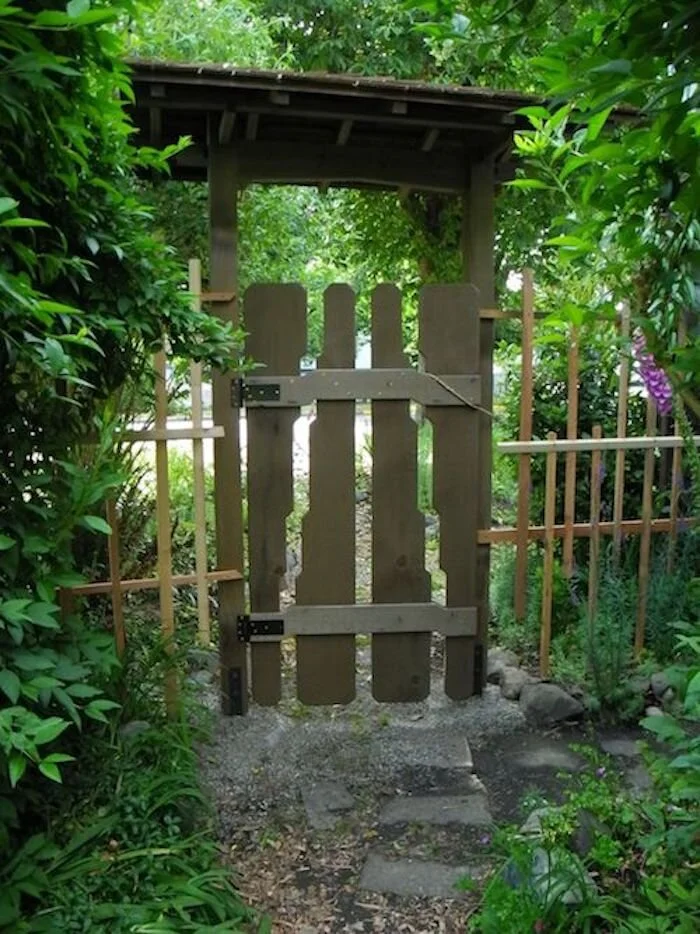
Understand how you want to feel in your garden
Give yourself five to ten minutes.
Maybe have a notebook or a notes app nearby to jot down anything that comes up.
Find the spot where you do—or might—spend the most time in your garden. It may be on a deck looking out to the lawn, flower or vegetable gardens. Or maybe in the middle of the garden, on a bench, or by the berry patch.
Make yourself comfortable.
Close your eyes and take a deep breath in. Breathe out. Think about how you feel. What emotions come up?
Do you feel tension? Confined or claustrophobic? Exposed or lacking privacy? Agitated? Bored?
Take another deep breath in. Breathe out. Now, think about how you want to feel.
How do you want to feel?
Calm and at peace? Protected and sheltered? Grounded? Maybe you want to feel self sufficient or practical, fun and whimsical, open and expansive?
Make a connection to your garden
Feeling connected to your home is important as it’s where you spend much of your time. Use how you feel and how you want to feel as guideposts to obtain that connection to your garden home.
If you want the feeling of privacy or protection, consider strategically placed shrubs, trees, or fences to block views of or from something or someone.
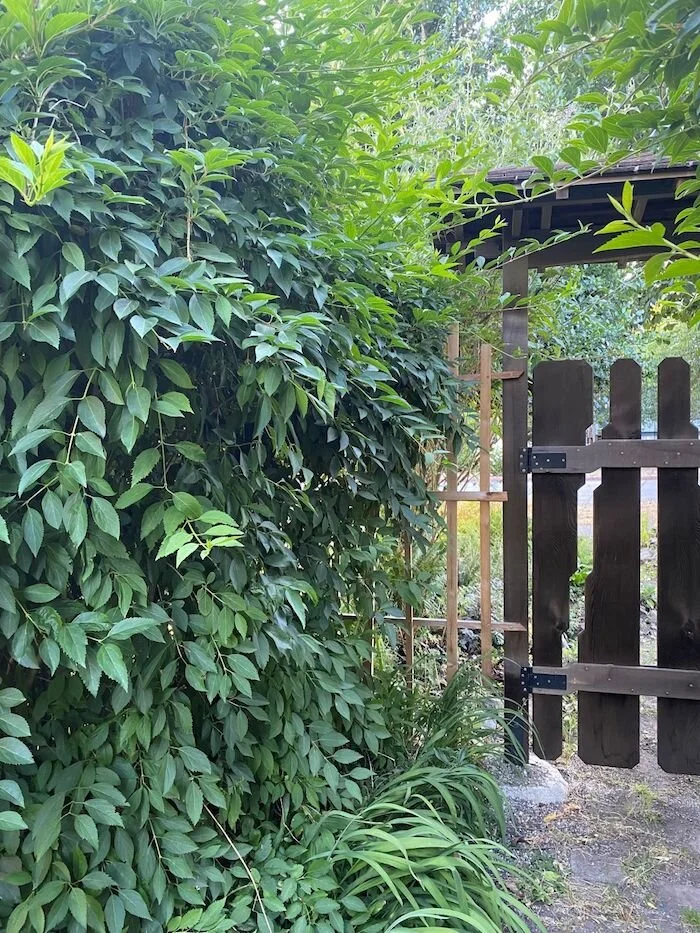
strategically placed shrubs, trees, or fences block views of or from something or someone. #gardening #gardenconnections #gardenstrategist
The feeling of confinement can be eliminated by removing or moving plants to create open areas, extend lines-of-sight, or let in more sunlight.
Calm or peacefulness can be created in many ways, one of which is to create a sensory garden. For sound, include a water feature for the running water or plants like grasses that sound wonderful in the breeze. Plant flowers or shrubs with scents that may bring you peace, such as lavender or roses, or with textures that are soft to touch, like Stachys byzantine, lamb’s ear.
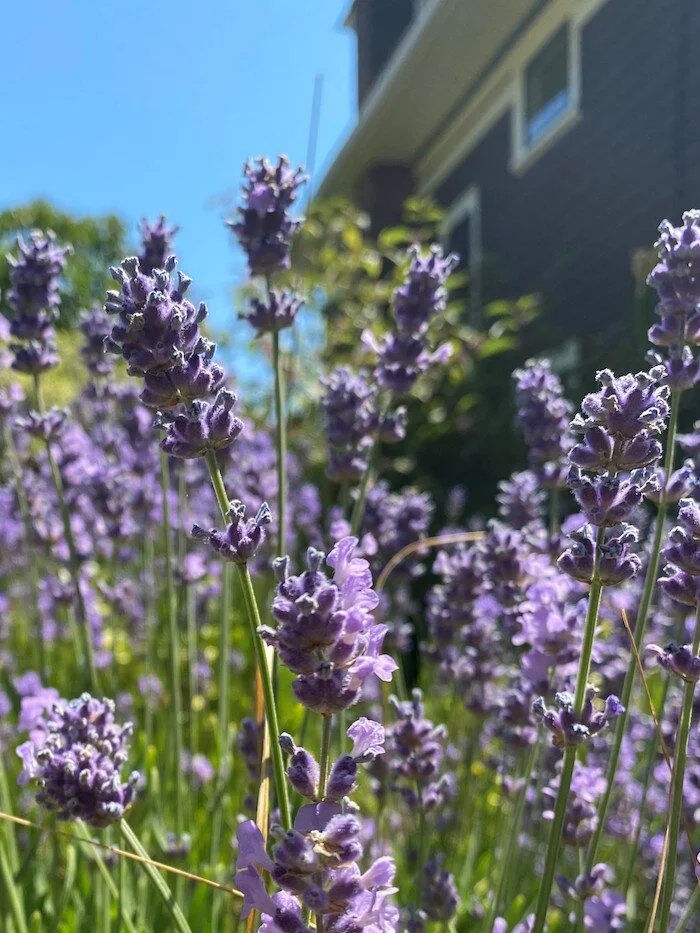
to feel calm and peaceful consider a sensory garden with flowers or shrubs with scents that may bring you peace, such as lavender. #sensorygarden #lavender #zengarden.
Sometimes the desired connection is about more tangible goals, such as self-sufficiency. Growing an edible landscape with plants that are meaningful to you in how you use them can help create that feeling, whether that’s with herbs, vegetables, berries, or other edible plants. Or perhaps it has nothing to do with food, but for some craft in which you have a passion, like natural dyes or flower arranging.
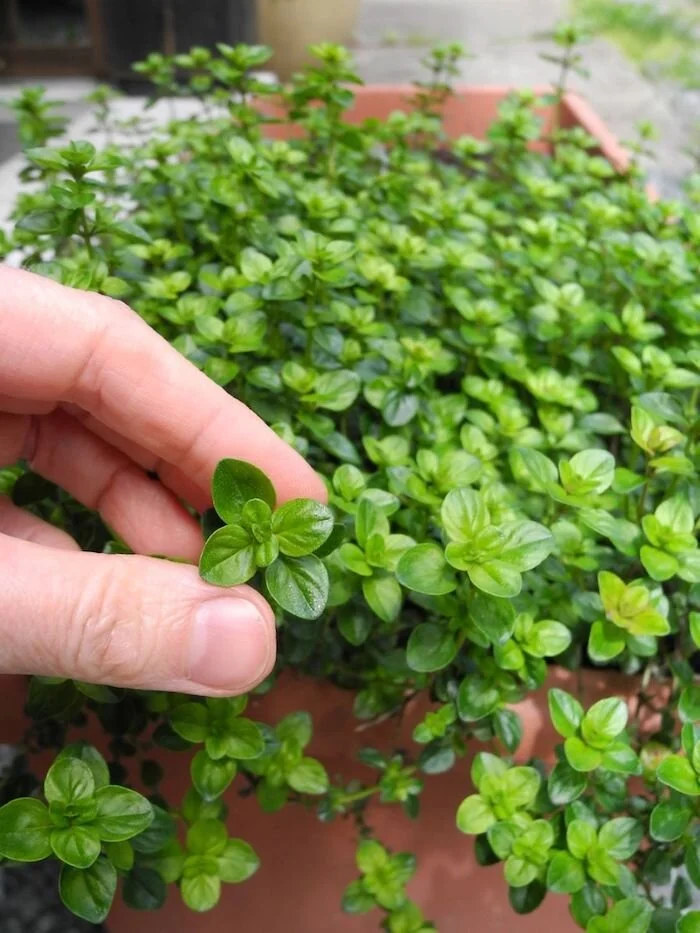
Grow an edible landscape with plants like herbs, vegetables, berries, or other edible plants. #edibleplants #herbgarden #berries
Regularly taking a few minutes, or even a few breaths, in your garden to close your eyes, breathe, and note your feelings can help develop and foster the connection with your garden. And if you’re not quite there yet, that’s okay. Understanding how you want to feel is equally important so you are able to identify the steps to bring you closer to the feeling of being at home in your garden.
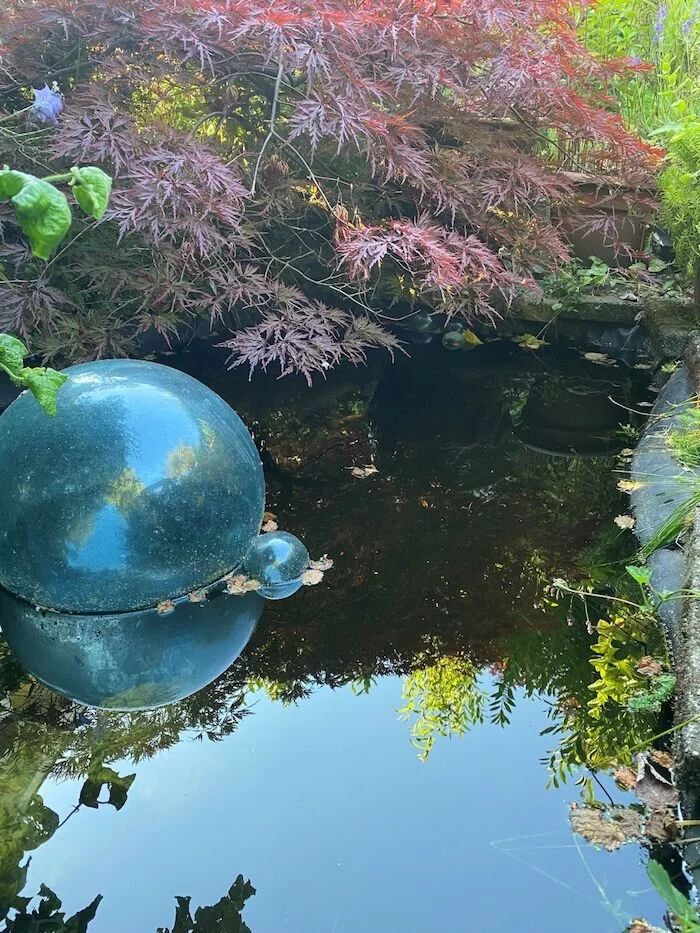
A sensory garden can include a water feature with running water. #gardenstrategy #urbangarden #gardenempath
Lori Carter is a gardener, nature lover, baker, pursuer of living sustainably and supporter of local products and businesses. Natural areas around her and elsewhere are also incredibly important to Lori, including how people and communities interact with nature, growing plants and food. Born and raised in Nova Scotia, she transplanted to the west coast 14 years ago to explore all that the west has to offer, including the incredibly long growing season of Vancouver Island. Her heart is in Nova Scotia and her hands are in the soil of Victoria, British Columbia. Visit her website Inquisitive Gardener.


More from INSPIRE ME








Welcome to Issue No. 3 of INSPIRE ME