

Growing Self-Compassion
/Five ways to sow seeds of compassion for yourself and in the garden
Self-compassion and spring gardening with Lori Carter, Inquisitive Gardener
By Lori Carter
This year, think about easing into the season rather than feeling the panic that can come with feeling like we need to “all the things” to get ready for summer.
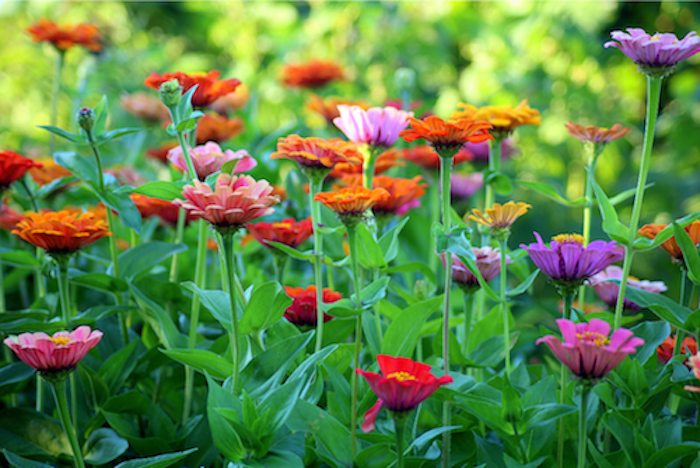
Sowing seeds of self-compassion
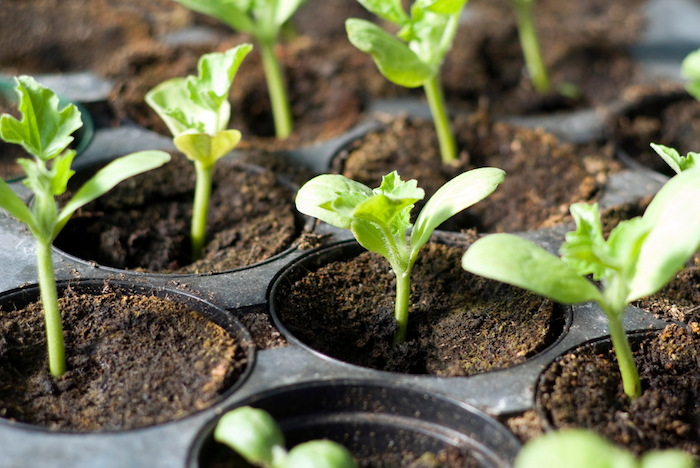
Two years ago, I broke my ankle while playing soccer. Sitting at home, growing, and waiting to be planted were seedlings. I had big plans for the garden that year and there I was, barely able to from the sofa to the kitchen. That year, I certainly needed self-compassion.
Life can change, whether in an instant or over time with illness or injury, a sudden move or change in job situation. Or maybe a pandemic happens. These situations affect our lives, including relationships with our gardens.
So, how do we support and sustain compassion for ourselves, feel at peace in gardens, and keep relationships with our gardens feeling fresh and not overwhelming?
Here are five ways to sow seeds of compassion for self and in the garden
Number one: Minimize disturbance to the soil. Why is this relevant for self-compassion? Bottom line: minimizing soil disturbance fosters a healthier garden and, as a bonus, results in less work.
Less soil work: add compost or composted manure to the soil surface. Done. What if you need to remove a plant? Cut it off at the soil surface. Leave the roots to decompose subsurface, adding organic matter.
Less weeding. Soil disturbance exposes weed seeds for germination or breaks rhizomes into smaller bits that can then grow. Reduced disturbance = few weeds.
More effective watering. Compost as mulch on the surface and higher organic matter in the soil (added compost, roots left in soil, intact fungal and microbial populations) improves drainage and reduces runoff.
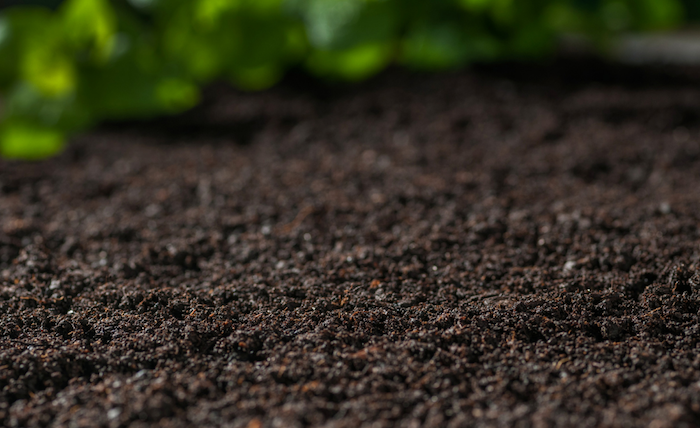
Number two: Think small. Approach gardening in short chunks of time, smaller garden areas, or sub-tasks. For example, weed a few minutes each day, tackle small areas each time, or focus on removing one kind of weed throughout the garden. Subtasks can look like weeding an area one day, adding compost another day, and planting the next time. With each minute, task, and plant, the garden will come together.
Number three: Release expectations. If the plan is to plant everything from seed and the seeds don't grow, the young plants die, or you run out of time, go buy seedlings. It’s not a failure, but a lesson. Gardening is a series of experiments, so it's all data collection. Seek to understand the “failures” and “successes” and adjust going forward!
Number four: Visit with your garden everyday, even if through the window. A wonderful sort of meditation, this is a great way to get to know the garden: the plants, the soil, what spots receive the most or least sun, where the soil dries out or stays wet, and the health of the plants. Getting outside, even if there's nothing active to do, improves your health and your gardens and nurtures the relationship with your garden (and yourself).
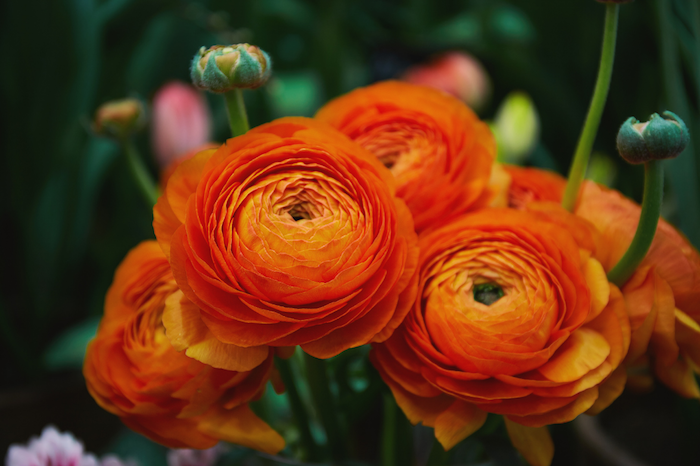
Lastly, number five: Grow one thing every year (or every season) that brings joy. This year, I’m growing ranunculus, a beautiful flower, for my spring joy. As a new-to-me plant, I want to learn to grow it and enjoy and share the flowers. Your joy choice could be something to eat, flowers, something with architectural or textural interest, or maybe a plant indigenous to where you live. In growing something with intention, you can foster connection with your garden, cultivating (pun intended) joy throughout the season.
I hope you’ll consider these five proactive ways to show self-compassion, build connection with gardens, and stay fresh throughout the growing season.
Lori Carter is a gardener, nature lover, baker, pursuer of living sustainably and supporter of local products and businesses. Natural areas around her and elsewhere are also incredibly important to Lori, including how people and communities interact with nature, growing plants and food. Born and raised in Nova Scotia, she transplanted to the west coast 14 years ago to explore all that the west has to offer, including the incredibly long growing season of Vancouver Island. Her heart is in Nova Scotia and her hands are in the soil of Victoria, British Columbia..

More from INSPIRE ME








Welcome to Issue No. 3 of INSPIRE ME